

Explore the Best Ways to Upgrade the Floor Vent Covers
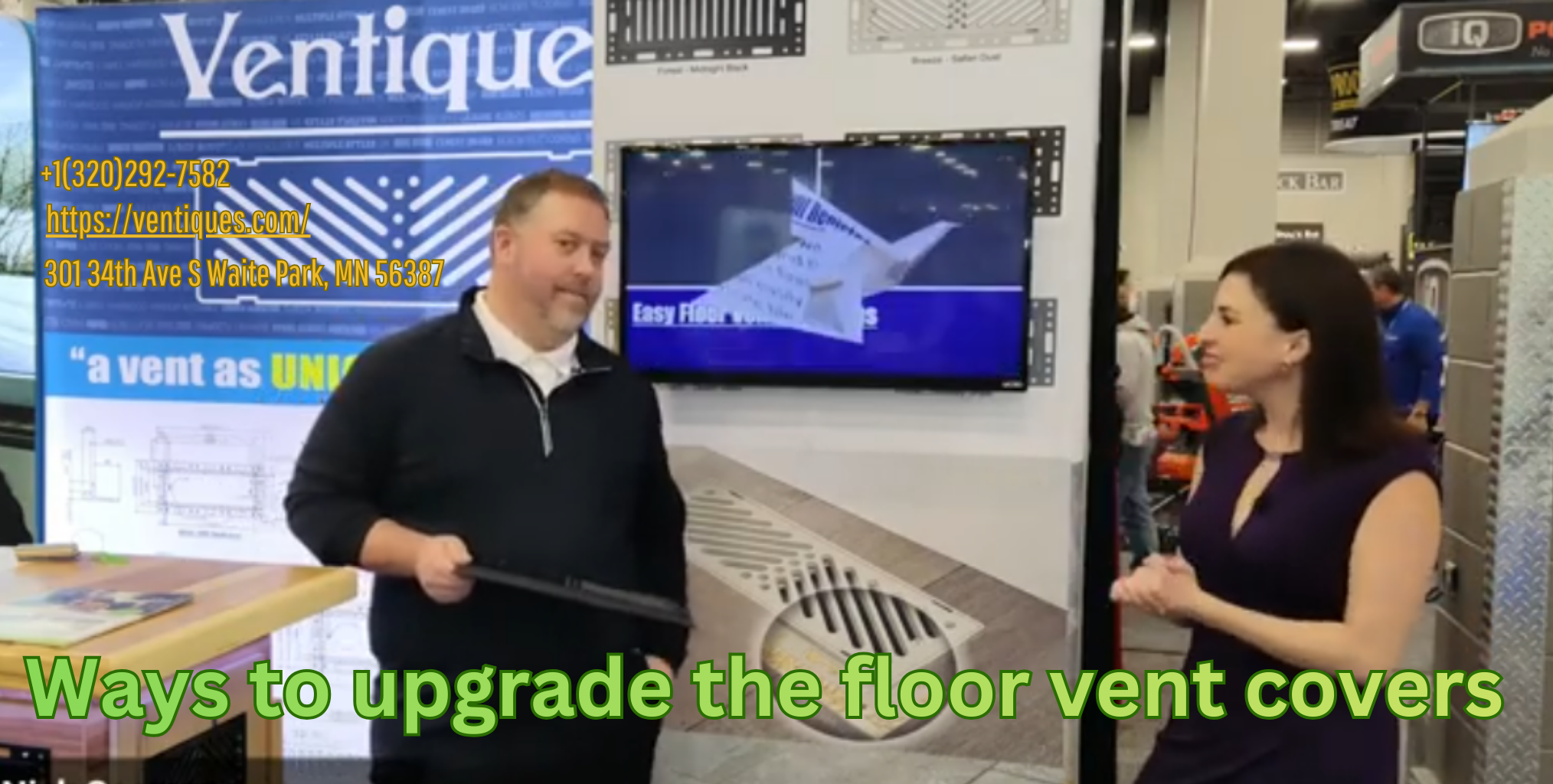
Explore the Best Ways to Upgrade the Floor Vent Covers
Let's explore the ways of upgrading the best floor vent covers by focusing on style, long term durability, flush mount and other important features.
MINNESOTA, MN, UNITED STATES, March 11, 2026 /EINPresswire.com/ -- Let's Explore The Best Ways to Upgrade the Floor Vent Covers in A simple but informational Guide:Floor vent covers are small but important components that help maintain airflow efficiency, support HVAC performance, and contribute to interior design consistency. They are essential components of HVAC systems. Beyond their functional purpose of distributing conditioned air, vent covers influence visual consistency and coherency. We neglect them, but upgrading floor vent covers can enhance HVAC performance, improve air quality and provide a cohesive design finish. There are different ways to upgrade the floor venting covers but before this we should explore about why need to upgrade floor vent covers?
Why Upgrade Floor Vent Covers? Is it necessary or can plan accordingly?
Vent covers serve two primary purposes: directing airflow and protecting duct openings. Over time, standard builder-grade registers may rust, warp, discolor, or become clogged with dust buildup. Moreover, outdated designs do not match with new interior-style flooring. In such cases, can think about the upgrading vent covers.
Upgrading vent covers will help to improve:
● Air distribution
● Helps to Improve HVAC efficiency
● Could help in structural durability in high-traffic areas
● It could help to maintain indoor air hygiene when the corroded grilles are replaced
● It could help to maintain design consistency with the decor
Replacing worn covers is a practical improvement that could help to support both function and appearance.
Signs It’s Time could replace Your Vent Covers
Several indicators suggest an upgrade may be necessary
● Visible rust, corrosion, or bending
● Warped plastic registers
● Reduced or uneven airflow
● Multiple paint layers could block vent openings
● Remodeling projects, such as new flooring installation
If floors are being refinished or replaced, it could be often the ideal time to install new vent covers that matches with the updated materials.
Material Upgrades for Homeowners, Tradespeople, and Architects May Need for Durability and Longevity
One of the most effective ways to upgrade floor vent covers could be a replace of standard stamped-steel or plastic units with higher-grade materials, such as powder-coated aluminum, reinforced steel, stainless steel, or solid hardwood. Entry-level or builder-grade vent covers bend, corrode, or discolored over time, particularly in high-traffic areas.
Powder-coated aluminum provides corrosion resistance and dimensional stability. Which provides additional strength and moisture protection. When installed correctly, solid hardwood vent covers blend seamlessly with natural wood flooring systems. Selecting upgraded materials reduces long-term maintenance and increases structural reliability.
Choosing the Right Type of Vent Material
Your vent material selection may directly affect the durability, installation & maintenance requirements, and aesthetic integration of your vents at scale.
● Metal Vent Covers
Metal options such as cast iron, steel, brass, or aluminum offer strength and longevity. Powder-coated finishes resist corrosion and scratches. That could be ideal for high-traffic or humidity-prone areas like hallways, kitchens, bathrooms, and entryways.
● Hardwood Vent Covers
Wood vent covers are commonly selected for hardwood flooring applications. They can be stained, painted or finished to match the wooden flooring - oak, maple, walnut, or engineered wood floors. Proper sealing is important to prevent moisture damage.
● Plastic Vent Covers
Plastic registers are lightweight and inexpensive but typically less durable. They may discolor or crack over time, especially in frequently used areas.
Selecting high-quality materials reduces the likelihood of premature replacement.
Matching Vent Covers to Flooring
Design cohesion is an important consideration when thinking about upgrading.
● Hardwood floors pair well with stain-matched wood vents.
● Light flooring often complements brushed platinum or matte finishes.
● Dark floors contrast effectively with black or antique brass finishes.
Some vent kits allow a section of the exact flooring material to be inserted into the vent frame for a nearly invisible effect.
Functional Features to Consider
Upgraded vent covers should maintain or enhance airflow performance, so let’s explore about the enhancement in airflow performance during the upgrade of vent covers.
Adjustable Dampers
Dampers help you to regulate or maintain airflow in all rooms. This feature helps in temperature balancing and seasonal HVAC adjustments.
Directional Louvers
Louvers direct airflow toward specific areas and improve circulation efficiency.
Return Air Grilles
Return vents typically do not include dampers but should be properly sized to avoid restricting airflow back to the HVAC system.
Function should be given priority alongside design.
Maintenance During Replacement
Upgrading vent covers could provide an opportunity to inspect and maintain duct openings.
Recommended steps include:
● Vacuuming dust and debris inside the duct
● Check for moisture or rust damage
● Seal all small gaps around the vent boot with caulk
How Long Do Vent Covers Last?
High-quality metal or hardwood vent covers can last decades with proper maintenance. Plastic or lightweight steel models in high-use areas may need to be replaced within 5 to 10 years.
Vents' performance and sustainability may depends on material quality, environmental exposure, and maintenance frequency.
Let’s explore now the ways to upgrade the floor vent covers:
Converting to Flush Mount Floor Vents
Traditional drop-in vent covers sit above the floor surface. They create a visible lip around the opening. You can think about to upgrade to flush-mount floor vents if this bothers you. Flush mount floor vents provide a level surface that aligns with your tile, hardwood, laminate, luxury vinyl plank (LVP), or carpet installations.
Flush-mount systems are installed during flooring placement and sit evenly within the finished floor plane. This upgrade may improve aesthetic continuity and reduces debris accumulation around raised edges. Proper framing and accurate measurement are required to ensure airflow is not restricted during installation.
The Other Side of the Coin - Drop-in Options
Drop-in vent covers remain a relevant option if you have already installed flooring or when a quick upgrade is needed without doing much work. These vents sit slightly above the finished floor. They are simple to remove for clean. Unlike flush-mount systems, drop-in vents may create a visible edge that can trap debris and may not align visually with modern flooring aesthetics. Some manufacturers offer both drop-in and flush-mount options; it is advisable to verify the current product range of any specific brand if referencing manufacturer offerings.
Installing Adjustable Height Vent Systems for Ultra Precision Fit
Flooring thickness varies depending on material and underlayment. Adjustable-height vent systems are the incredible options to accommodate these variations. They could help homeowners, architects, designers and tradespeople to get perfect alignment with the finished floor surface. These systems are particularly valuable in renovation projects where flooring levels may differ from original construction specifications. They allow contractors to achieve a tight, professional finish even when working with pre-existing duct openings.
When flooring thickness changes during renovation—such as when adding tile or engineered hardwood—existing vent covers may not align correctly. Adjustable-height vent systems compensate for variations in floor buildup.
Hence, upgrading to adjustable vent systems designed to fit different flooring heights will help in allowing for a proper fit without requiring duct modifications, making them suitable for remodeling projects.
Understanding the Difference
Flush-Mount vs Drop-In Vent Covers
Let's explore the way converting from traditional drop-in registers to flush-mount vent systems.
Drop-In Vent Covers
Drop-in vent covers sit slightly above the floor surface, they do not sit flush with the flooring and are easy to remove for cleaning. However, they may create visible edges that interrupt flooring lines.
Flush-Mount Vent Covers
Flush systems sit level with the finished flooring surface. Installed during flooring placement, they provide a seamless appearance and reduce debris buildup along edges. Flush-mount vents have proven to be fundamental in modern and high-end interiors.
When planning a flooring renovation, a flush-mount installation provides a clean, integrated result.
Heavy-Duty, Load-Rated Covers
In high-traffic spaces such as hallways, kitchens, and entryways, vent covers may be exposed to repeated foot traffic, debris accumulation and wear-and tear from furniture movement. Heavy-duty vent covers are constructed from thicker metal gauges or reinforced frames; hence, they have improved load capacity.
Design-Focused Vent Series and Architectural Styling
There are various vent cover designs available in the market, often categorized into stylistic series grounded on different interior themes. Linear minimalist series emphasize clean, narrow slots, best for contemporary and Scandinavian-based interiors. Forest-inspired blade-style series incorporates elongated slats. They create a natural rhythm across the floor surface. Vents with geometric architectural series introduce bold cut patterns that function as subtle statement pieces within luxury interiors. Heavy-duty contemporary series focus on reinforced construction for high-traffic environments while maintaining refined aesthetics.
Enhancing Interior Cohesion Over Pattern Selection
Choosing a vent pattern that is best-suited with flooring direction and room layout promotes spatial harmony. Linear designs placed parallel to floorboards reinforce visual flow, on the other hand geometric cuts can anchor focal areas within larger rooms.
● Decorative Pattern Floor Vents
Decorative floor vents are engineered to function as architectural accents and not just mechanical components. These vents feature precision-cut surface detailing like refined linear blades or structured nature-inspired patterns. Unlike basic stamped registers, decorative vents have structural rigidity. They preserve a calculated free airflow area. They are commonly selected for formal living rooms, premium residential interiors, and design-driven commercial spaces.
● Forest-Inspired Blade Vents
Forest-style blade vents have elongated slat arrangements. They resemble organic linear forms. This configuration introduces subtle surface movement and maintains a balanced airflow distribution throughout your space. The structured blade layout supports consistent air velocity while visually complementing hardwood flooring and natural material palettes.
● Breeze-Pattern Linear Vents
The Breeze-style ventilation systems provide a clean and even spacing of the holes, resulting in an elegant, simple look. Installation of these units could provide a uniform pattern for air distribution that is conducive to promoting air flow through the system in an efficient manner. They have been designed to complement minimalistic interiors, composite or engineered floors, and large format tile flooring. The shape of the air flow might be optimized to ensure that turbulence is minimized while providing a constant directional output.
● Kanyon Reinforced Structural Vents
If you have varying floor thicknesses and need to install your HVAC ductwork with precision, consider using Kanyon-style architectural ventilation with adjustable depth frames that can be reinforced. Engineered design creates structural integrity of the frame as well as dimensional flexibility between floor and flooring systems.
Whether retrofitting or using new construction materials, Kanyon vents are created from corrosion-resistant aluminum designs and finishes that are suitable for residential and commercial applications. Additionally, the outer frame has been reinforced to support the load of Kanyon-type vents located in high-trafficked areas, while maintaining a flush floor profile.
● Avalanche-Style Floor Vents
Avalanche-styled floor vents feature a bold pattern and equally sculpted shapes that create an impressive architectural statement while providing optimum airflow. The angular structure of each vent's details gives a sense of two-dimensional depth, while allowing unobstructed airflow to occur throughout the entire structure.
Avalanche-style floor vents have been manufactured from reinforced metals with corrosion-resistant finishes for long-term wear. They are also able to be installed as flush-mount systems, making them compatible with hardwoods, tiles, and engineered flooring. The materials selected for use in constructing the vents and the engineered spacing of the vents' pattern work together to create balanced airflow and reduced turbulence. They are ideal for contemporary and luxury interiors where performance must be considered alongside visual appeal.
Advanced Installation Considerations for Long-Term Performance
Upgrading floor vent covers should also include evaluating the structural condition of the duct boot and surrounding subfloor. Over time, framing around vent openings can loosen, warp, or shift due to because of seasonal expansion and contraction that bends or tilt it.
For flush-mount installations, precise cutting and leveling are critical.
Addressing Airflow Balancing Across Rooms
Upgrading vent covers may give you an opportunity to evaluate airflow distribution throughout the property and improve the visual consistency of a space. Inconsistent room temperatures may indicate improperly sized registers or blocked airflow paths. When replacing vent covers, make sure the free airflow area of the grille matches the duct capacity. Oversized or even undersized decorative patterns with restricted openings can reduce HVAC efficiency.
In larger homes or commercial settings, airflow balancing may require coordinated adjustments between supply vents and return air grilles. Selecting vent covers empowered with properly engineered louver spacing could help in maintaining consistent air velocity. Many of today's vent solutions have dampers that are integrated into the design of the vent; these modern architectural elements with integrated technology will allow for long-term scalability in regulating the volume of the air flow. The configuration of the vent grille pattern must be balanced to distribute the air efficiently and to minimize the amount of hot or cold zones in the floor. Linear high-flow vent grilles improve the air movement in both large and smaller areas where an existing style of vent grille restricts the circulation of the air.
Noise Control and Airflow Optimization
If your vent openings are partially obstructed, the airflow turbulence starts producing whistling sounds. Upgrading to precision-cut grilles with reinforced frames will help reduce vibration. Installing thin gasket strips beneath the vent frame can further absorb minor vibration between metal components and flooring surfaces.
Make sure that dampers open fully and operate smoothly prevents airflow restriction that may cause pressure noise within ducts. Properly aligned louvers support steady airflow distribution without excessive sound.
Explore The Long-Term Value of Upgraded Vent Covers
Vent covers occupy minimal surface area, yet they contribute to performance of the HVAC unit, airflow distribution patterns and interior appeal of a space dramatically. They could help to maintain temperature throughout a given space. Durable materials could help in reducing maintenance demands, flush-mount designs enhance safety and appearance, and properly engineered airflow features support HVAC efficiency.
When selected thoughtfully and installed accurately, upgraded floor vent covers may provide long-term structural stability, improved airflow control, saves energy, gives a long-term life to your HVAC system and provide consistent design continuity throughout residential or commercial interiors.
Conclusion
Upgrading floor vent covers could help to improve both performance and design considerations. Common upgrade options include opting for flush mount systems, integrating airflow dampers or height-adjustable vents, selecting heavy-duty construction or performance-oriented venting solutions, and going for newer vent systems with improved airflow control features.
You must also take careful measurements, do a compatibility assessment, and coordinate installation to ensure that upgraded vent covers could improve durability, airflow efficiency, and interior integration. By addressing structural integrity, performance and aesthetic factors, floor vent cover upgrades may contribute to long-term HVAC performance, comfort levels and could provide refined interior presentation.
Nick
Ventiques
+1 320-292-7582
email us here
Visit us on social media:
LinkedIn
Instagram
Facebook
YouTube
TISETV Live Interview
Legal Disclaimer:
EIN Presswire provides this news content "as is" without warranty of any kind. We do not accept any responsibility or liability for the accuracy, content, images, videos, licenses, completeness, legality, or reliability of the information contained in this article. If you have any complaints or copyright issues related to this article, kindly contact the author above.
